
Pumpworthy lists only 0 verified ethanol-free stations in California — a state with nearly 40 million people, more registered boats than almost anywhere in the country, and some of the finest classic-car culture on earth. Iowa has 684. New York has 670. If you've ever driven around California looking for a pump marked "ethanol-free" and come up empty, it isn't bad luck. It's the predictable result of how the state regulates gasoline.
It's Not Illegal — It's Structural
Here's the surprise: ethanol-free gas is not banned in California. The California Air Resources Board itself confirms that the state's Reformulated Gasoline rules (CaRFG3) allow refiners to blend anywhere from 0 to 10 percent ethanol. On paper, a refiner could produce a fully compliant, CARB-certified gallon of pure gasoline tomorrow.
In practice, almost nobody does — and the reason traces back to 2004, when California banned MTBE, the oxygenate that had been blended into gasoline to meet clean-air requirements, after it started showing up in groundwater. Ethanol became the only oxygenate approved for use in California gasoline. The state's refineries retooled around it. They now produce CARBOB — a blendstock that is deliberately unfinished, designed to become legal California gasoline only after ethanol is splash-blended in at the distribution terminal. Every pipeline, terminal, and tanker truck in the state is set up to deliver that E10 by default.
A station owner who wants to sell E0 isn't fighting a ban. They're fighting a supply chain. Certifying a non-oxygenated formulation under CARB's predictive model, sourcing it, and trucking it as a one-off product is an expensive niche that virtually no California supplier serves. That's why the rare E0 you do find in the state shows up at the margins: race-fuel pumps, marinas, and specialty suppliers selling by the drum or the can — often labeled for off-road use only.
It's About to Get Worse: E15 Is Now Legal
For years, California was actually the last state where E15 couldn't be sold. That ended in October 2025, when AB 30 made blends of 10.5 to 15 percent ethanol legal for sale as transportation fuel. Whatever you think of the policy, the direction is unmistakable: California pumps are getting more ethanol, not less.
That makes label-reading a survival skill. Per the EPA's own compatibility list, E15 must never go into boats, on-road or off-road motorcycles, snowmobiles, lawnmowers, chainsaws, generators, or any car or light truck from model year 2000 or older. Look for the orange-and-black E15 warning label on the dispenser — it's federally required — and when in doubt, ask what's in the "regular."
Protect your equipment
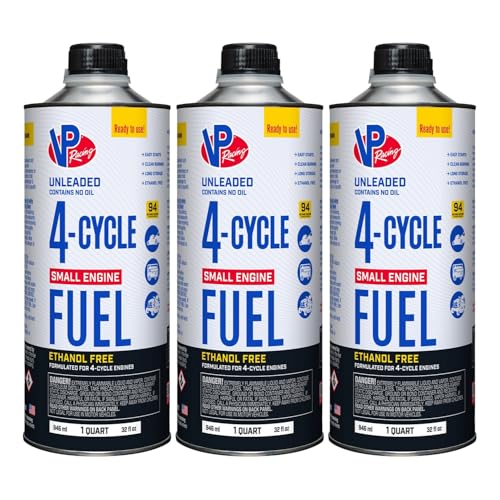
VP Racing SEF 94 Octane Ethanol-Free Fuel, Quart (3-Pack)
- 100% ethanol-free, 94 octane
- Stays stable in storage for years
- Protects 4-cycle small engines
$26.61
Price as of Sep 18, 2026
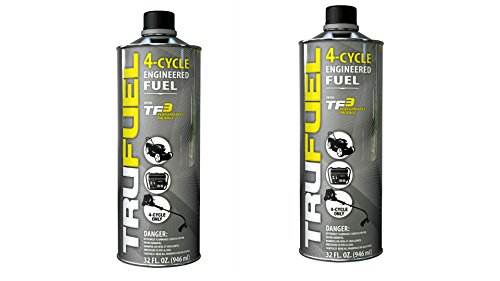
TruFuel 4-Cycle Ethanol-Free Fuel
- 100% ethanol-free, ready to pour
- No phase separation, ever
- Engineered for small engines
$21.00
Price as of Sep 18, 2026
What Californians Can Actually Do
Switch small engines to canned ethanol-free fuel. This is the cleanest solution and it's legal everywhere in the state. Pre-mixed, ethanol-free fuels like TruFuel and VP Small Engine Fuel are engineered for mowers, trimmers, chainsaws, and generators, and they stay stable in the can for years. You'll pay more per gallon — but a small engine drinks gallons per season, not per week, and a single carburetor rebuild costs more than a year's supply.
Treat the E10 you can't avoid. For boats and anything with a tank too big for canned fuel, a marine-grade ethanol treatment at every fill-up defends against the two things ethanol does best: pulling water into your fuel and corroding what it touches. Phase separation — the layer of water-ethanol sludge that forms at the bottom of a tank — is the killer for California boaters, because marine tanks live in humid air and sit idle between weekends.
Never store untreated E10. Ethanol blends start degrading in roughly 30 days. Before any equipment sits — the off-season, a long trip, even a busy month — either run the tank dry or stabilize the fuel. The carburetors that die every spring die in storage, not in use.
Verify before you trust a pump. If a station claims its premium is ethanol-free, test it — ethanol test strips cost a few dollars and settle the question in under a minute. And if you find a legitimate E0 pump anywhere in California, submit it to Pumpworthy — in a state this starved for pure gas, every verified station helps thousands of people.
California's fuel rules aren't changing in E0's favor anytime soon. But ethanol damage is almost entirely a storage-and-maintenance problem — which means it's almost entirely preventable. Fuel your small engines from a can, treat what goes in the boat, store nothing untreated, and read the labels now that E15 has arrived. Your equipment doesn't care what Sacramento mandates; it only cares what you put in the tank.
Protect your equipment
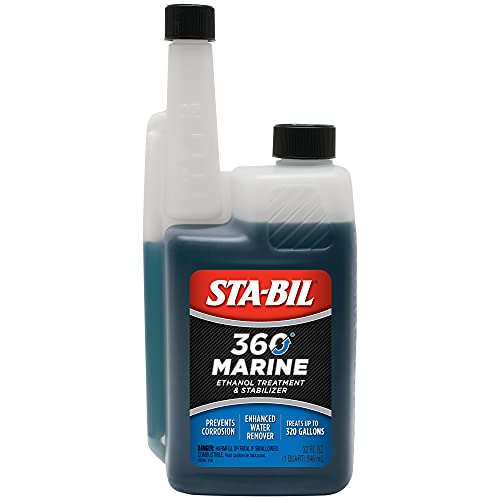
STA-BIL 360 Marine Ethanol Treatment
- Fights phase separation and corrosion
- Use every fill-up with E10 fuel
- Protects boats, small engines, classics
$22.71
Price as of Sep 18, 2026

Briggs & Stratton Ethanol Test Kit
- Verify E0 claims in seconds
- Works on any pump gas
- Glove-box sized test strips
$11.61
Price as of Sep 18, 2026
Frequently Asked Questions
Is ethanol-free gas illegal in California?
No. California's Reformulated Gasoline regulations (CaRFG3) allow refiners to blend anywhere from 0% to 10% ethanol. But in practice, virtually all gasoline sold in California is E10, because the state's entire refining and distribution system is built around adding ethanol — and certifying and distributing an ethanol-free formulation is an expensive niche almost no supplier serves.
Why does almost every California station sell E10?
After California banned the oxygenate MTBE (effective 2004), ethanol became the only oxygenate approved for use in California gasoline. Refiners produce CARBOB — a blendstock specifically designed to become legal California gasoline only after ethanol is added at the terminal. The result: the supply chain delivers E10 by default, and a station that wants to sell E0 has essentially nothing to pump.
Is E15 legal in California now?
Yes. AB 30, signed in October 2025, made blends of 10.5%–15% ethanol (E15) legal to sell in California for the first time. That means more ethanol is coming to California pumps, not less. E15 must never be used in boats, motorcycles, lawn equipment, generators, or any vehicle from model year 2000 or older.
How can Californians protect their equipment from ethanol?
Use canned ethanol-free fuel (like TruFuel or VP Small Engine Fuel) in small engines — it's legal everywhere and eliminates the problem entirely. For boats and vehicles that must run E10, use a marine-grade ethanol treatment at every fill-up, never store E10 in equipment for more than a few weeks without stabilizer, and read pump labels carefully now that E15 is legal in the state.


