Reuters reported this week that "the EPA on Monday granted small refinery exemptions worth 1.76 billion renewable fuel credits for the 2025 compliance year," and that EPA will propose reallocating the waived obligations to larger refiners in future years.
What that reallocation means is higher gasoline prices for you.
As we have previously reported, EPA's record-setting ethanol mandate under the Renewable Fuel Standard is driving up prices. EPA's mandate is creating a tax of about 37 cents a gallon on refiners. That means your gasoline prices are higher than they should be, all because EPA continues to mandate the use of ethanol in fuel.
What makes this policy particularly frustrating is that EPA did not have to do anything with the Renewable Fuel Standard earlier this year. It was under no legal obligation to impose any ethanol mandate at all. Instead, it imposed the largest ethanol mandate in history, and gasoline prices today are higher as a result.
A Program Flawed From the Start
The Renewable Fuel Standard was created in 2005 and expanded in 2007 under President George W. Bush and Speaker Nancy Pelosi. The thinking at the time was that we were running out of oil, and that biofuels could become cost-competitive if only they were mandated for a few years. That was especially the promise of cellulosic ethanol: making ethanol from things other than corn or sugar cane. Twenty years later, cellulosic ethanol is not a thing. It has never been shown to be cost-effective.
The Renewable Fuel Standard was flawed from the start, but EPA is only exacerbating its flaws by continuing to mandate ethanol in our fuel supply. When Congress created the program, it understood the mandate would increase costs for refiners and drivers, so it created a safety valve that allows EPA to grant waivers to small refineries. With renewable fuel credit prices very high under EPA's record mandate, small refineries petitioned EPA for relief.
The Waivers Are Right. The Reallocation Is Not.
EPA has now granted that relief, and that is a good decision. EPA should be granting these waivers. But EPA has also proposed doing something costly and unlawful: shifting these waived renewable fuel obligations onto larger refiners in future years.
EPA might describe this as shifting the obligation to larger refineries, but at the end of the day, you and I pay that cost in higher prices at the pump. Big oil is not going to eat those costs. The larger refineries will pass them on to you and me. This is exactly what research has shown over the years: when these mandates create higher costs for refiners, refiners pass those costs on to us, because the refining market is very competitive.
It is bad enough for EPA to set policy that raises future gasoline prices. But Congress also did not authorize EPA to shift waived obligations onto larger refineries, and EPA is proposing to do it anyway.
Protect your equipment
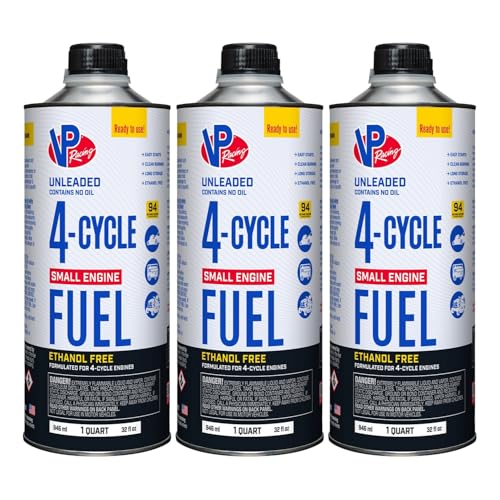
VP Racing SEF 94 Octane Ethanol-Free Fuel, Quart (3-Pack)
- 100% ethanol-free, 94 octane
- Stays stable in storage for years
- Protects 4-cycle small engines
$27.58
Price as of Oct 25, 2026
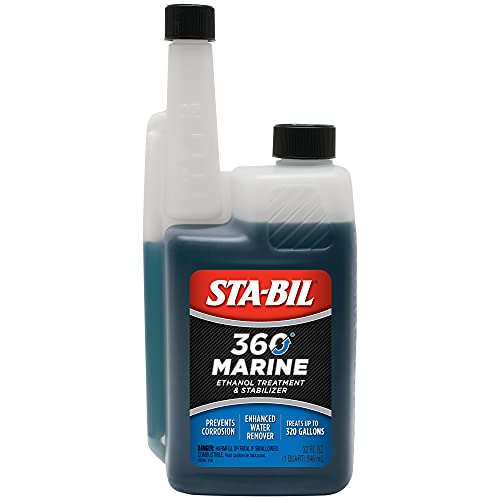
STA-BIL 360 Marine Ethanol Treatment
- Fights phase separation and corrosion
- Use every fill-up with E10 fuel
- Protects boats, small engines, classics
$21.59
Price as of Oct 25, 2026
Who Actually Benefits
Who benefits from EPA mandating large amounts of biofuel? The real beneficiary is the biofuel industry: the ethanol makers. Sadly, EPA is catering to them instead of working to reduce the price of fuel for all Americans.
EPA says it will issue its reallocation proposal by the end of October. When the comment period opens, I will include a link here so you can tell EPA what you think about its plan to intentionally drive up the cost of gasoline.
Frequently Asked Questions
What is a small refinery exemption?
When Congress created the Renewable Fuel Standard, it understood the mandate would raise costs for refiners and drivers, so it built in a safety valve: EPA can waive the biofuel blending obligations of small refineries facing disproportionate economic hardship. With renewable fuel credits trading near record highs under EPA's record 2026 mandate, small refineries petitioned for that relief, and EPA granted exemptions worth 1.76 billion credits for the 2025 compliance year.
Do the waivers themselves raise gasoline prices?
No. The waivers are the safety valve working as Congress designed it. The problem is EPA's follow-on proposal to reallocate the waived obligations to larger refiners in future years. Research has shown that when the mandate raises refiners' compliance costs, those costs get passed through to fuel buyers, because the refining market is highly competitive. Shifting the waived obligations onto larger refiners shifts the cost onto drivers.
When can the public comment on EPA's reallocation plan?
EPA says it will issue its reallocation proposal by the end of October. Once the comment period opens, this page will link directly to the docket so you can tell EPA what you think.