A lawn mower's fuel problem isn't the mowing; it's the sitting. Your car burns through a tank of E10 in a week, long before the ethanol in it can do harm. A mower's tank of gas can sit for a month between cuts and all winter between seasons, and ethanol uses that time to absorb moisture from the air. The result is corroded aluminum carb bodies, swollen fuel lines, clogged jets, and the classic symptom every small-engine shop knows: the mower that ran fine in October and won't start in April.
Mower carburetors make it worse. Their fuel passages are tiny, so a film of varnish that a car's fuel injectors would push through will stop a mower cold. Repair shops charge more to clean or replace a gummed carburetor than a season of ethanol-free fuel costs. And note the legal line: E10 is approved for most mowers, but the EPA prohibits E15 in gasoline-powered equipment altogether — the details are in our E15 explainer.
Protect your equipment
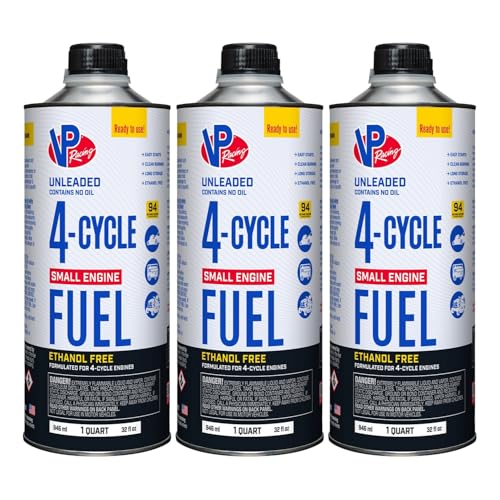
VP Racing SEF 94 Octane Ethanol-Free Fuel, Quart (3-Pack)
- 100% ethanol-free, 94 octane
- Stays stable in storage for years
- Protects 4-cycle small engines
$27.58
Price as of Oct 25, 2026

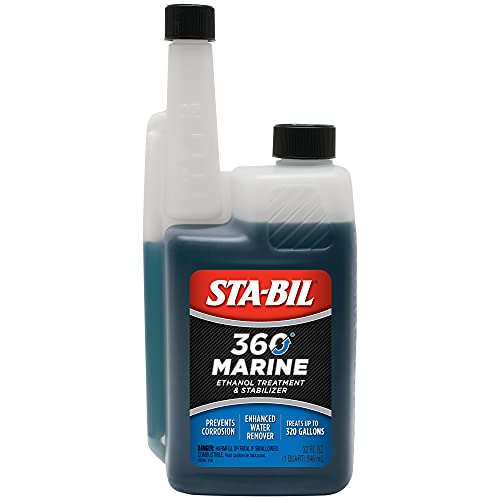
STA-BIL Storage Fuel Stabilizer
- Keeps fuel fresh up to 24 months
- Stops gum and varnish buildup
- The off-season storage standard
$11.99
Price as of Oct 25, 2026
The Cheap Fix: Fill a Can With E0
A mower burns maybe five to ten gallons a season, which makes this the cheapest engine-protection decision you can make. One five-gallon can of ethanol-free gas from a station pump costs a few dollars more than E10 and covers months of mowing. Compare that to hardware-store canned fuel, which is excellent in a pinch but costs several times more per gallon. Station-pump E0 is the value play; the Pumpworthy directory lists verified ethanol-free pumps in every state, and many belong to major chains you already drive past.
Octane, for the record, is not the issue. Most walk-behind and riding mowers specify 87 octane. The "90 octane" on many ethanol-free pumps (often sold as REC-90) is simply how E0 is commonly blended; the benefit you're buying is the missing ethanol, not the extra octane.
Storage Rules That Actually Matter
Three habits prevent nearly every fuel-related mower failure. First, run ethanol-free gas year-round if you can get it. Second, before winter, either drain the tank and run the carburetor dry or fill it with stabilized fuel; a half-empty tank of untreated E10 is the worst option. Third, store gas in a sealed, proper container and don't carry summer fuel into the next season untreated. E0 buys you far more margin on all three — it stores dramatically better than ethanol blends because there's no alcohol pulling water into the can.
The same logic applies to everything else in the garage with a small carburetor — trimmers, chainsaws, blowers, generators, and snowblowers. We cover those in ethanol-free gas for small engines.
Protect your equipment
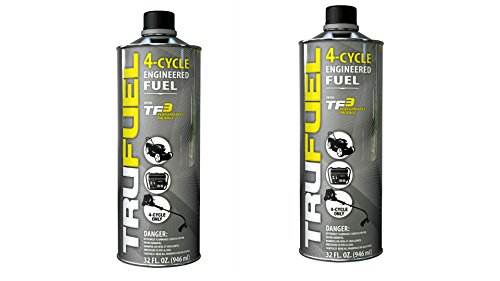
TruFuel 4-Cycle Ethanol-Free Fuel
- 100% ethanol-free, ready to pour
- No phase separation, ever
- Engineered for small engines
$25.53
Price as of Oct 25, 2026

Briggs & Stratton Ethanol Test Kit
- Verify E0 claims in seconds
- Works on any pump gas
- Glove-box sized test strips
$11.61
Price as of Oct 25, 2026
Frequently Asked Questions
Can I use ethanol gas in my lawn mower?
E10 (10% ethanol) is approved by most mower manufacturers and will run. E15 is not — the EPA prohibits E15 in gasoline-powered equipment like mowers, and using it typically voids the warranty. But approved is not the same as good for it: ethanol attracts moisture, corrodes carburetor parts, and degrades fuel lines, and mowers sit unused for long stretches that give those processes time to work. Ethanol-free gas avoids all of it.
Why won't my lawn mower start after winter?
The most common cause is stale ethanol-blended fuel. Over months of storage, ethanol absorbs moisture and the fuel oxidizes, leaving gum and varnish in the carburetor's tiny jets and passages. The fix is usually a carburetor cleaning or replacement. The prevention is cheaper: run ethanol-free gas, or drain the tank and run the carb dry before storage.
What is the best gas for a lawn mower?
Ethanol-free 87-octane (or whatever octane your manual specifies) is the best everyday choice. Most mowers do not need premium octane; they need fuel without ethanol. If no E0 station is nearby, canned ethanol-free fuel from the hardware store works for the small volumes a mower uses, at a higher per-gallon price.
Where can I buy ethanol-free gas for my mower near me?
Thousands of U.S. gas stations sell ethanol-free gas from a dedicated pump — often labeled recreational fuel. Search the Pumpworthy directory by state or city for verified E0 stations near you, and fill a proper gas can on your next errand run.